
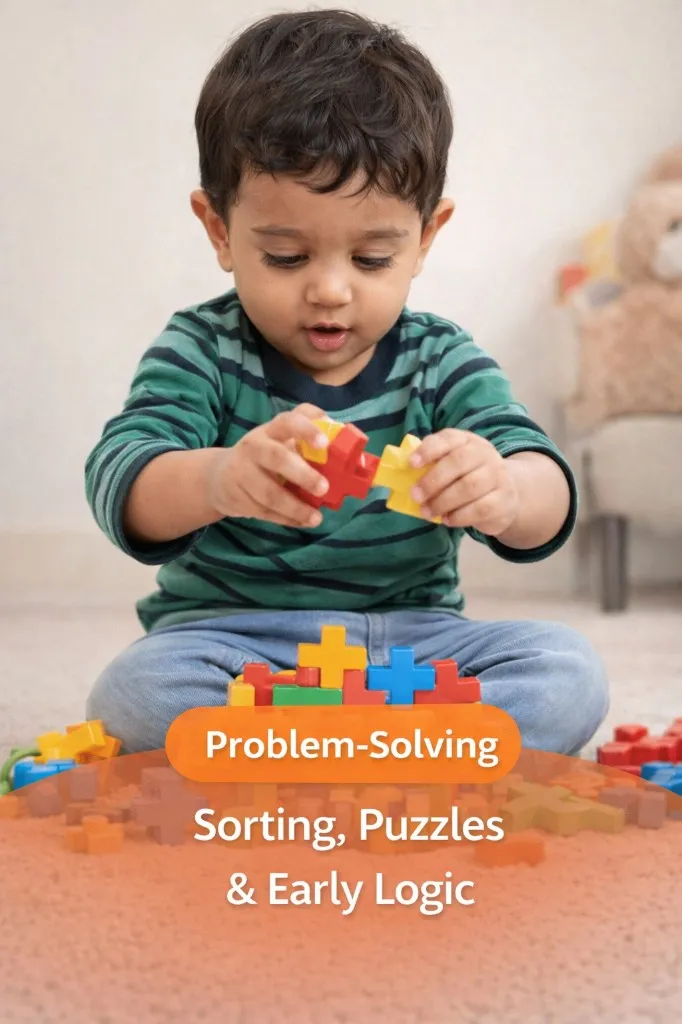
How to Rotate Toys: A Simple System That Keeps Kids Interested Without Buying More
Want to know how to rotate toys without making your home feel like a warehouse? Here is a simple parent-friendly system that keeps play fresh and clutter under control.
Many parents feel like their child has too many toys and still seems bored. That usually is not a sign that the child needs more toys. It is a sign that the play environment needs better structure.
Learning how to rotate toys is one of the easiest ways to reduce clutter, improve engagement, and make playtime feel fresh again without constantly buying something new.
Quick takeaways
- Toy rotation helps children focus better because they see fewer choices at one time.
- You do not need a complex storage system to make rotation work.
- The goal is freshness, not perfection.
- Toyflix supports rotation naturally by bringing new toys into the cycle.
Why toy rotation works
Children often engage more deeply when they have a smaller set of visible toys. Too many choices can make play feel noisy, scattered, and less satisfying.
Rotation creates novelty without requiring constant purchases. A toy that has been out of sight for a few weeks often feels exciting all over again.
How many toys should stay out
There is no perfect number, but most families do well with a compact set that includes a mix of building, pretend play, problem-solving, sensory, and movement toys.
The right amount is the amount your child can actually use without everything ending up ignored on the floor.
A simple toy rotation system that works
Start by sorting toys into categories. Then keep one small selection available and store the rest in labeled boxes, shelves, or bags out of daily sight.
Rotate every one to three weeks depending on your child's age and interest level. You do not need to rotate everything at once. Even swapping a few items can reset playtime.
What toys should stay available all the time
A few comfort or high-use staples can stay out all the time. Books, art materials, favorite pretend-play items, or active-use developmental toys often make sense as permanent fixtures.
Rotation should reduce overwhelm, not remove every familiar object from the child's environment.
Why Toyflix fits naturally into rotation
Toyflix helps parents keep play fresh without building a huge permanent inventory at home. It makes toy rotation easier because the cycle of new, age-appropriate toys is already built into the experience.
That means less clutter, less wasted spending, and a more intentional way to keep children engaged over time.
FAQs
How often should I rotate toys?
Most families rotate toys every one to three weeks, but the right timing depends on the child's age and how quickly interest drops.
Do I need to hide all the extra toys?
You do not need to hide them dramatically, but keeping them out of daily sight makes rotation much more effective.
Can toy rotation reduce clutter?
Yes. It lowers the number of visible toys, makes cleanup easier, and helps parents avoid constantly adding more items to the home.
See the real thing
Stop reading about toys. Go and pick some.
Hundreds of premium branded toys, matched to your child's age and swapped when they outgrow them. Free delivery across Bangalore, no deposit, no damage charges.
Browse all toysOr jump straight to